

Natural products Linda
Natural products made from olivesLindita Suka
Email Address
products.linda@gmail.com
Hotlines
+382 67 204 613
Locations
Ulcinj, Montenegro
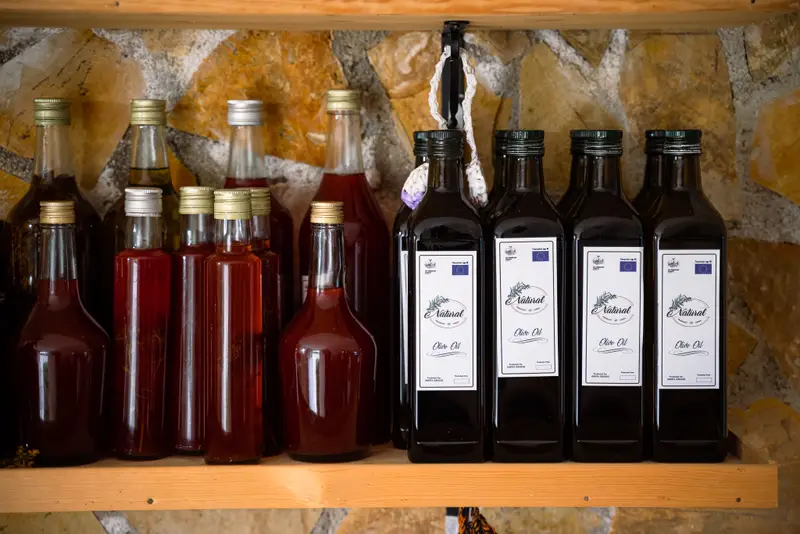
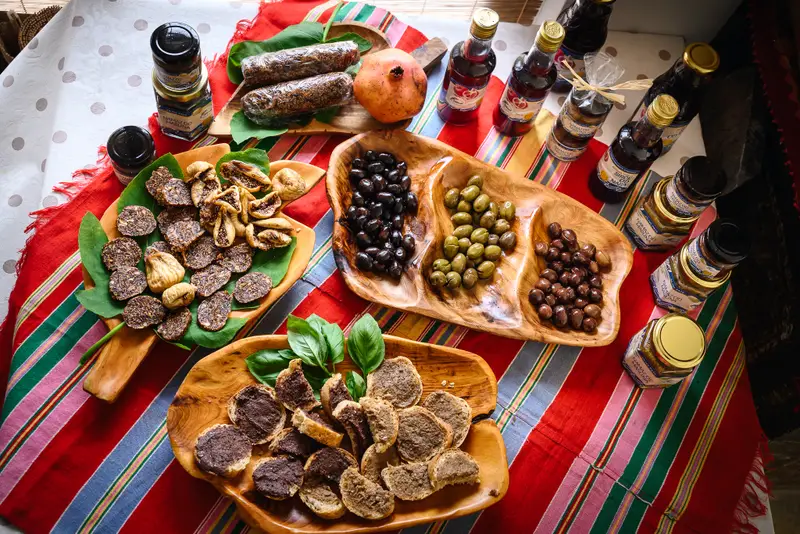
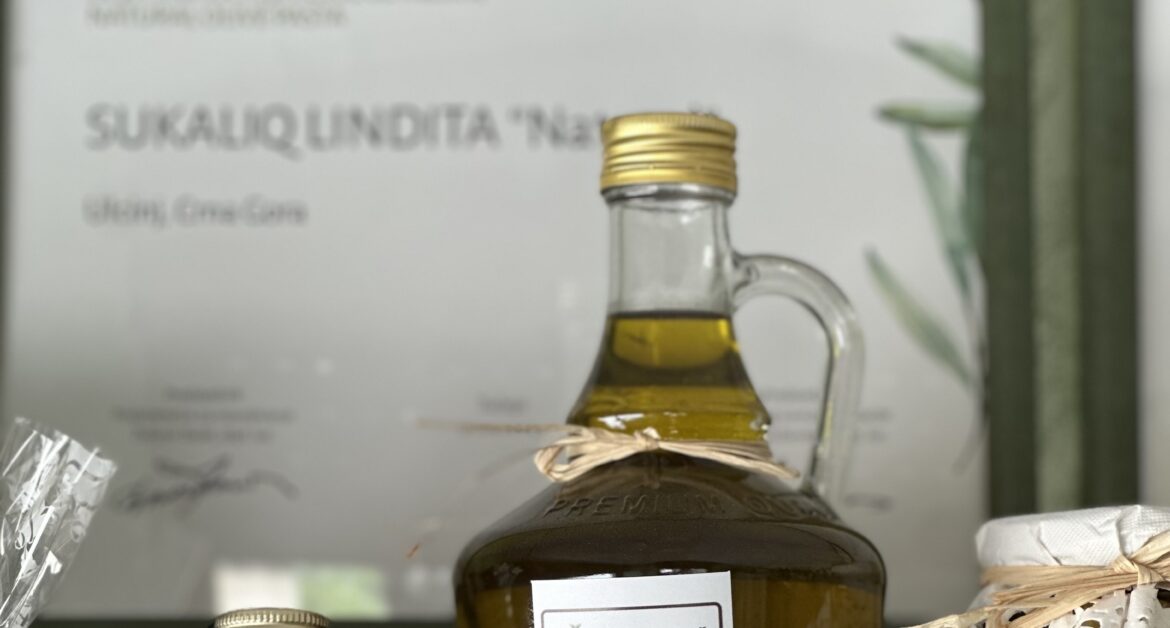
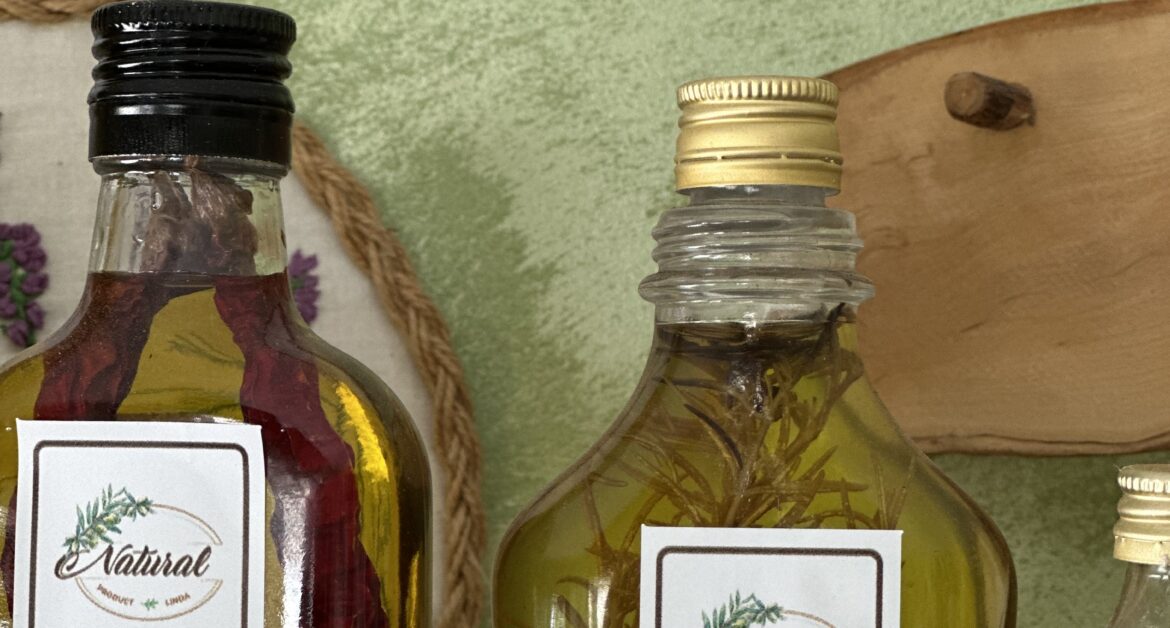
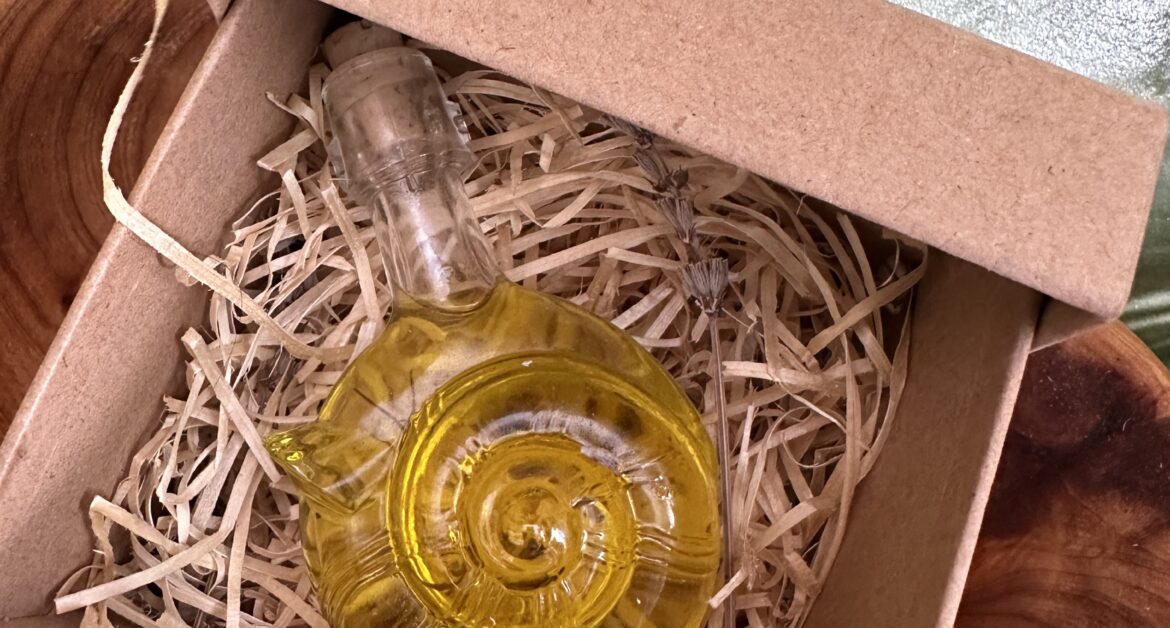
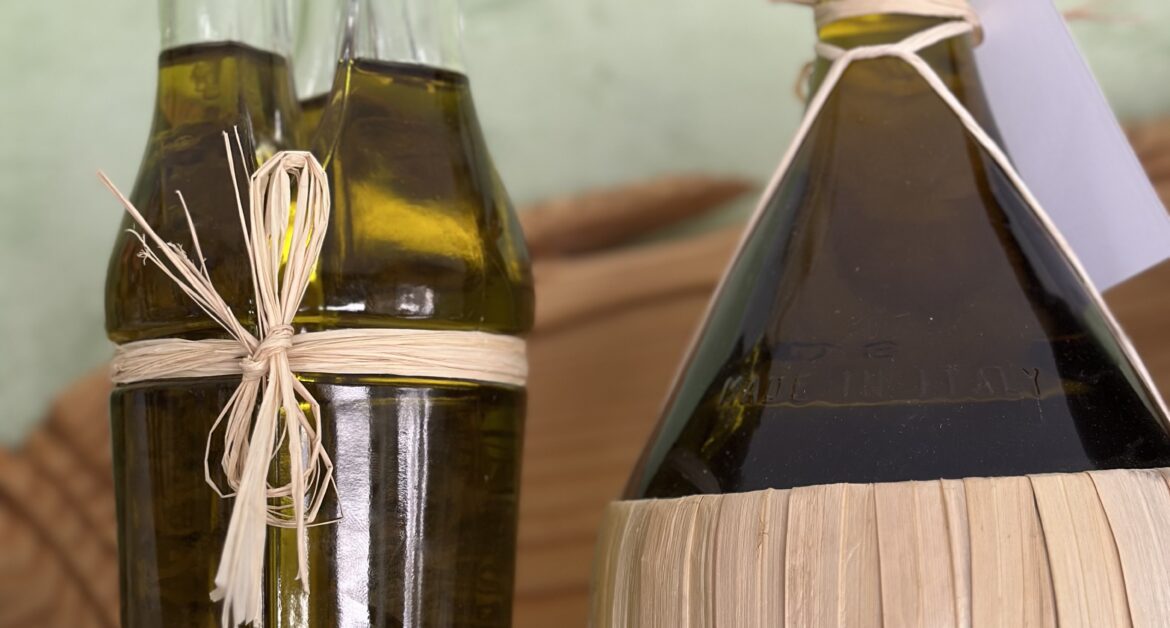
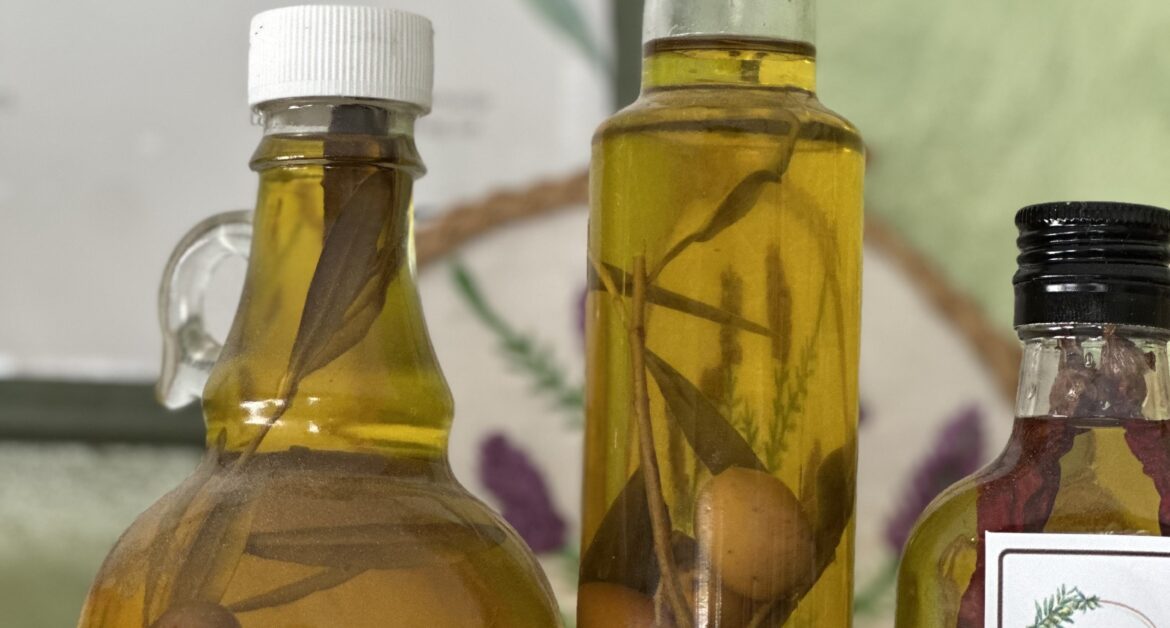
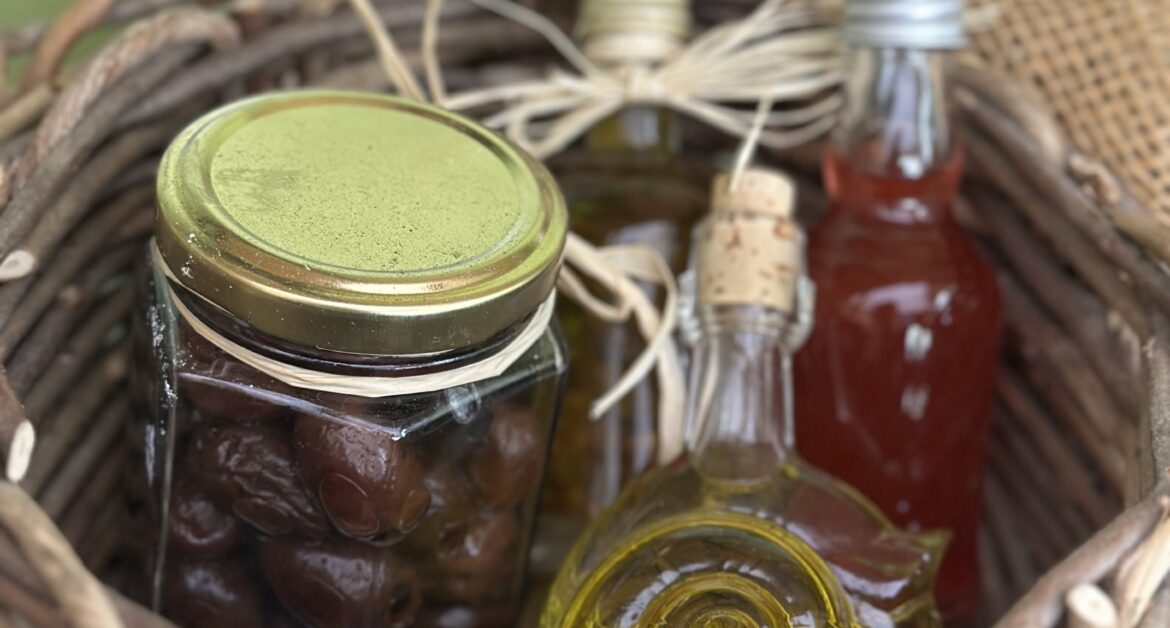
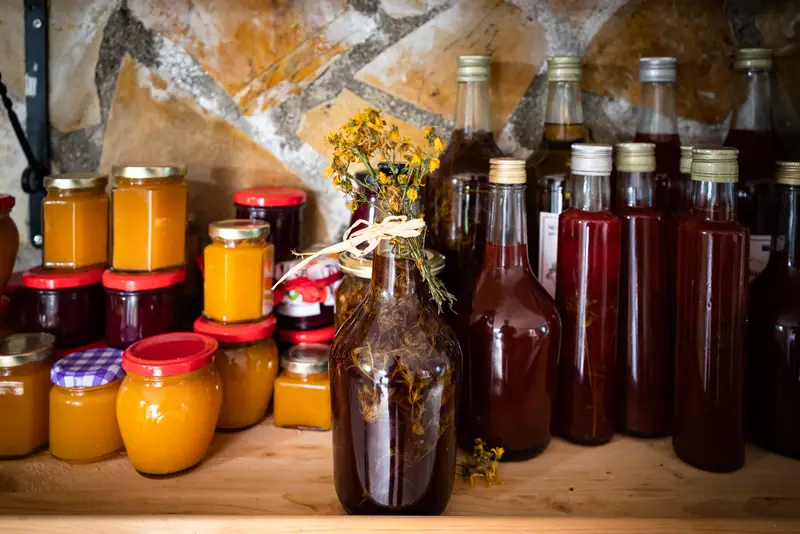
Natural Products Linda: Keeping Ulqini’s Olive Tradition Alive
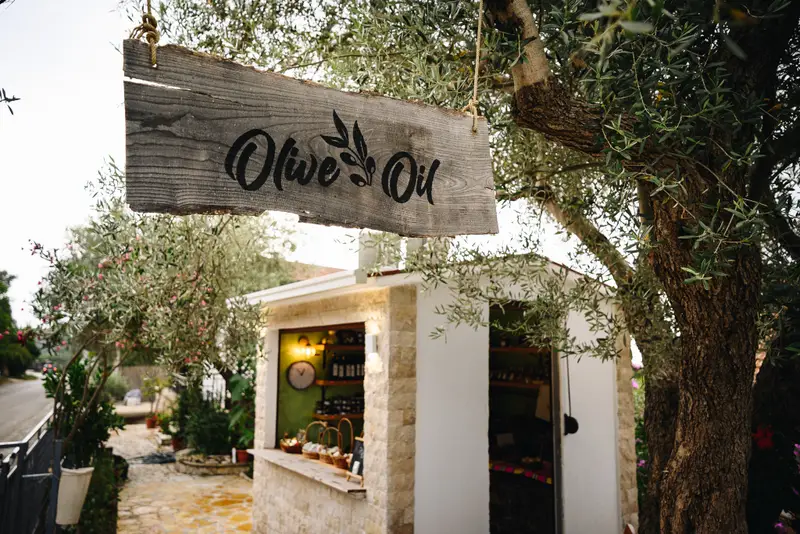
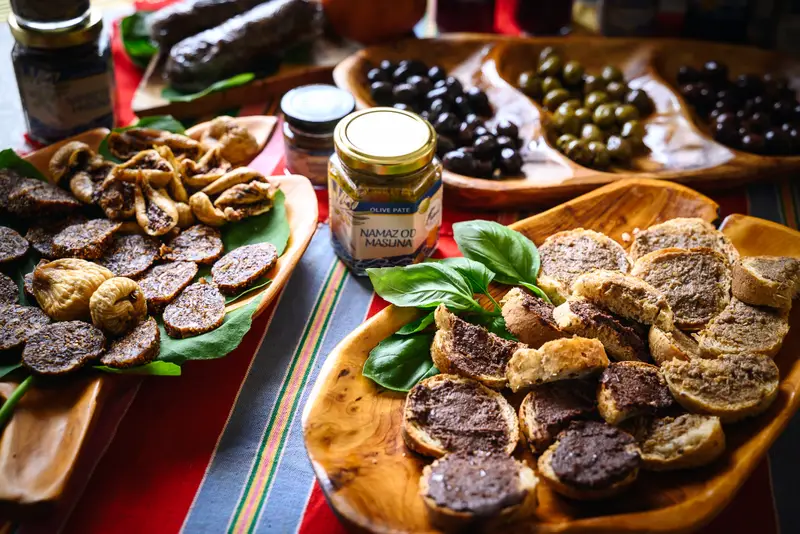
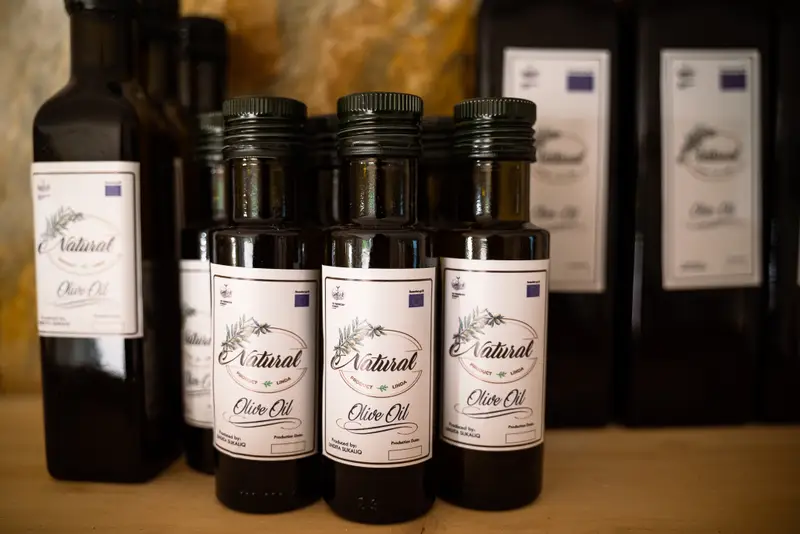
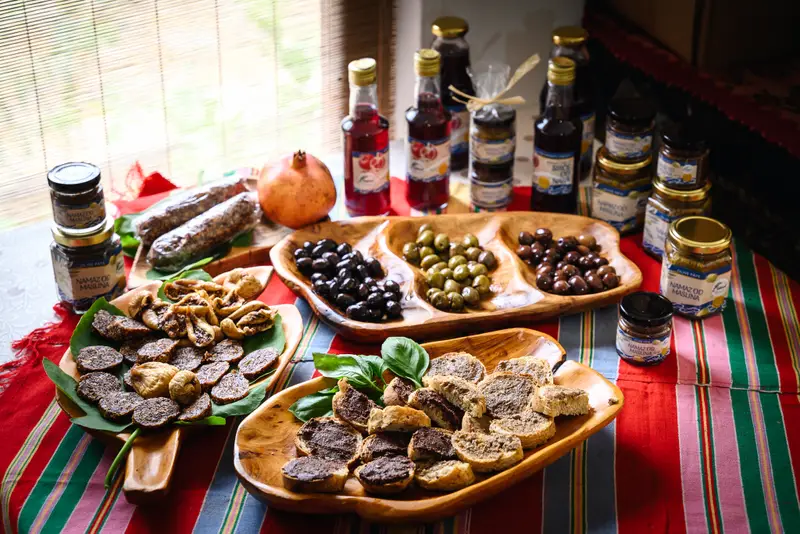
On the road that winds through centuries-old olive groves in Ulqin, a small souvenir shop catches the eye of curious travelers. Behind its wooden shelves filled with jars of olives, bottles of golden oil, and fragrant olive paste is the story of Lindita Suka, a woman who turned a family hobby into a passion, and a growing local business.
“I began by producing olive-based products for personal and family use,” she recalls.
“Visitors passing by our house, located in an olive grove near the main road, started showing curiosity. At first, I simply displayed jars of olives and bottles of virgin olive oil in our yard. As the interest grew, we established a small souvenir shop. Today, that initial hobby has become a passion and a business.”
For Lindita, tradition is the foundation of her work. The olives are grown and processed using age-old methods passed down through generations.
“Our olive growing and processing techniques are entirely traditional,” she explains.
“We use salt as the only preservative, and our virgin olive oil goes straight into our olive paste without any additives. Everything is natural, preserving both the taste and nutritional value.”
While staying true to heritage, she also embraces learning and growth. Three years ago, through the Olive Growers Association, she presented her products at an international fair in Croatia. To her surprise and pride, her olive paste won a silver medal, while her extra virgin olive oil received a bronze medal.
“These recognitions were both humbling and motivating,” Lindita says with a smile.
The work is more than business — it is also about stewardship. Ulqin is home to some of the oldest olive groves in the Mediterranean, trees that have stood for thousands of years. By maintaining traditional cultivation methods, Lindita helps protect this living heritage.
“The care and love we put into producing olive products directly contributes to maintaining and honoring our ancient olive groves,” she explains. “These practices not only protect nature but also enrich the local tourist offering and raise awareness of sustainable traditions.”
Her methods avoid chemicals, preserving the delicate ecosystem of the groves and safeguarding biodiversity.
Like many small producers, Lindita faces challenges. “One of the biggest is the lack of financial support from public institutions,” she admits.
“Expanding our activities or developing new products requires resources that are often limited, even though there’s so much potential and demand.”
Still, she believes in the future. The business already provides important financial support for her family, and she sees potential for long-term sustainability. “Although it requires patience and dedication, these practices can become a reliable source of income,” she says.
Visitors who step into her shop often leave with more than just a jar of olives, they leave with a story.
“After almost every purchase, people ask about the preparation process, and I enjoy sharing our story with them,” she says.
“It would be very helpful if local tour operators and guides would take more initiative in promoting authentic local products like ours. A collaborative effort would create a deeper connection between visitors and our cultural heritage.”
For Lindita, every product on her shelf represents not only flavor and quality, but also history, identity, and care for the land. “All of the methods we use today are passed down from previous generations,” she says. “This legacy helps us maintain authenticity and respect for traditional knowledge.”
And as her jars of olives and bottles of oil find their way into the hands of visitors from near and far, they carry with them the taste of Ulqini’s groves — and the story of one woman’s dedication to keeping them alive.